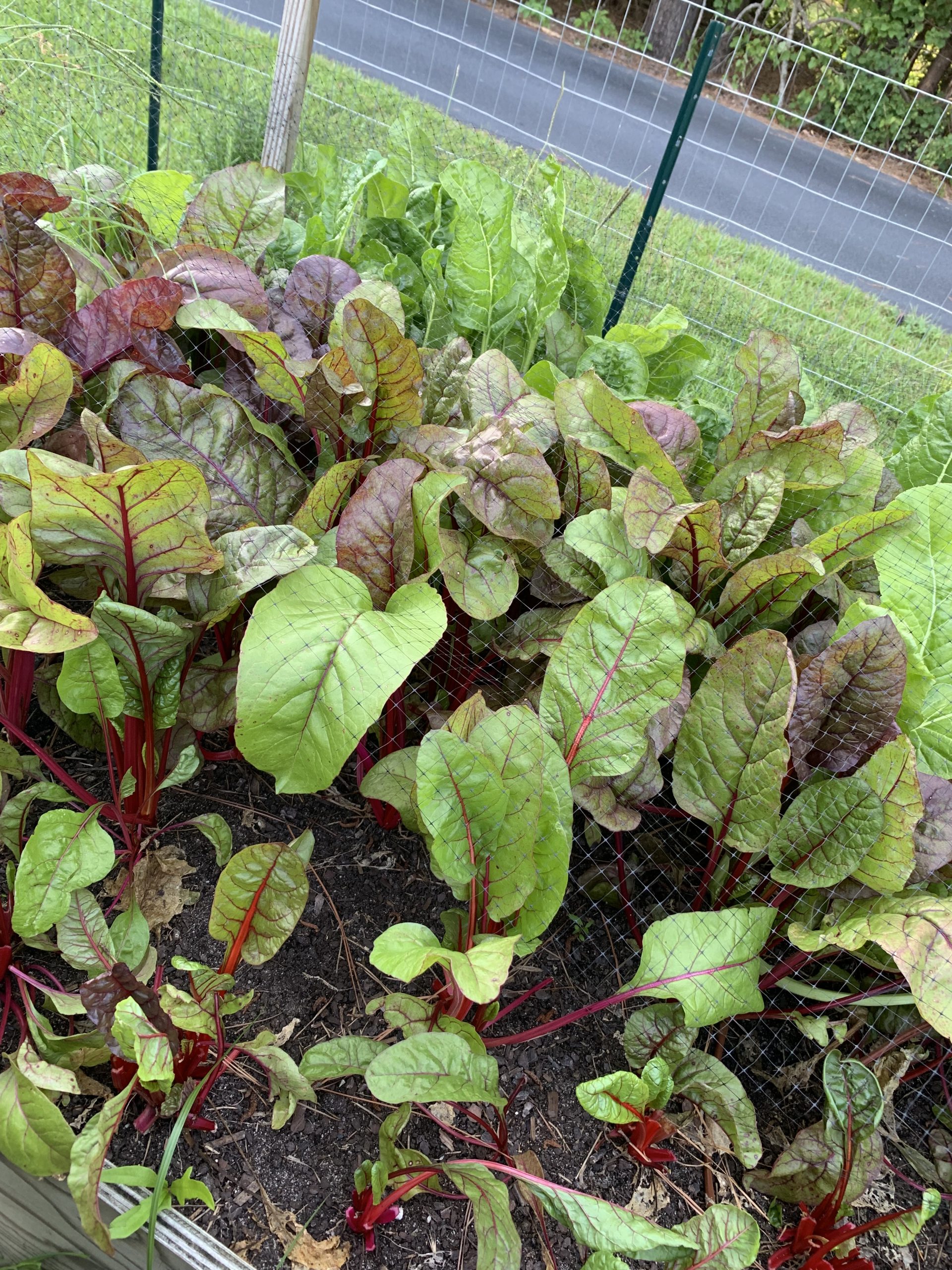
Pap Steve here, and y’all, this is my favorite time of year in the garden. The South Carolina summer finally lets go of our throats, the mosquitoes get a little less bloodthirsty, and the raised beds get a second shot at glory. If you’ve only ever gardened in spring, you’re missing the best season we’ve got. A fall vegetable garden in South Carolina is the closest thing to cheating I know of, and I grew up around dairy farmers, so I know a thing or two about folks who don’t cut corners.
Why Fall Beats Spring Here (Fight Me)
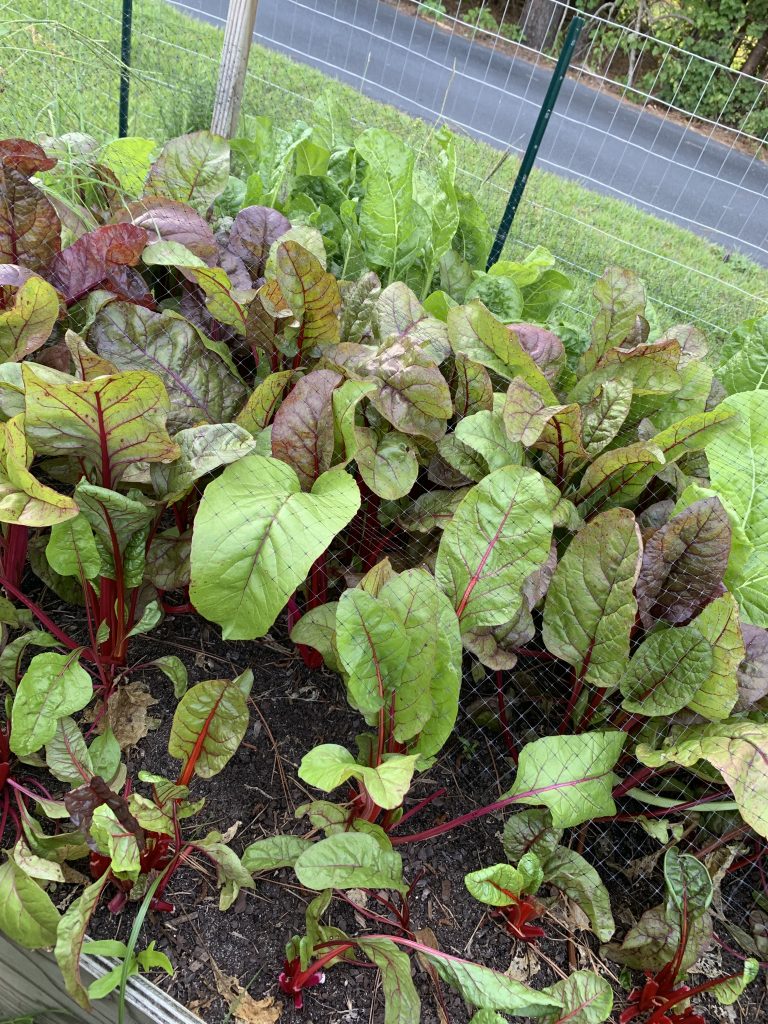
Here on our homestead in Blythewood, in Richland County, which we call Brandowdale South, I run eight 4’x8′ corrugated-metal raised beds, plus the original garden, which I’m slowly turning into a perennial patch with asparagus, artichokes and raspberries. Come fall, those metal beds become greens factories. Cool-season crops like lettuce, spinach, arugula and chard grow poorly in summer heat but they love our fall. Clemson Extension notes that cool-season crops keep growing well past the first light freeze. You just want them planted early enough to mature before the hard freezes show up.
Spring in South Carolina is a sprint: you plant, it warms up fast, and your lettuce bolts like a teenager hearing the word “chores.” Fall runs the other way. The days get cooler, the bugs slow down, and greens taste sweeter after a little cold. It’s the mixtape that gets better on side B.
What I Plant in the Fall Beds
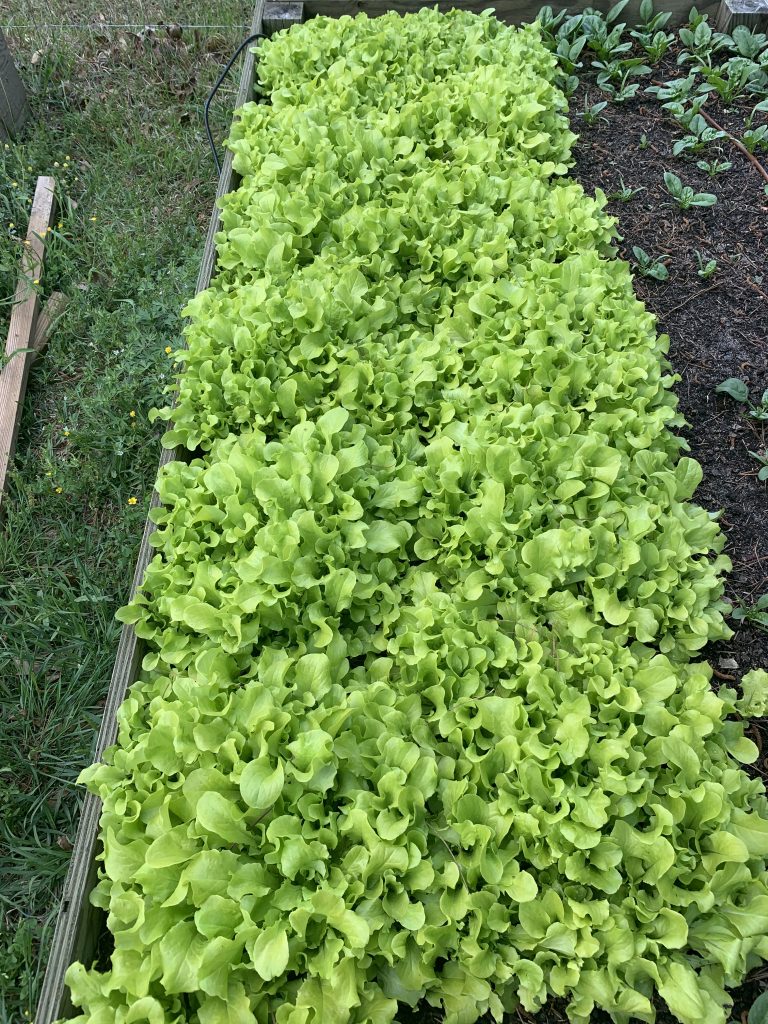
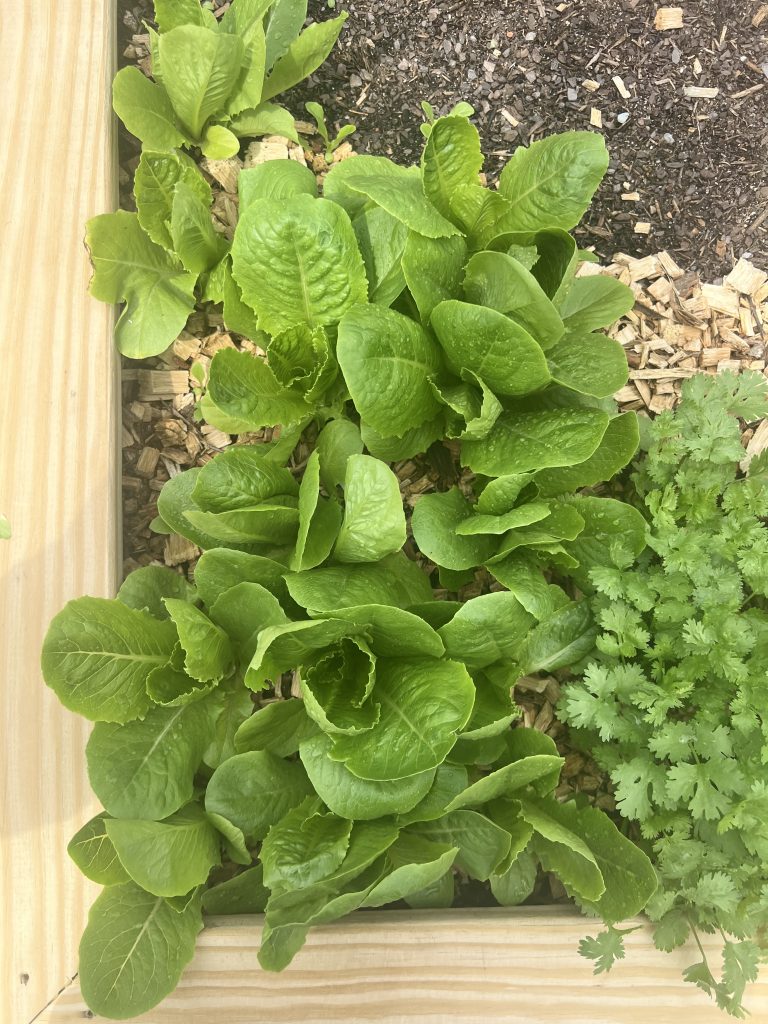
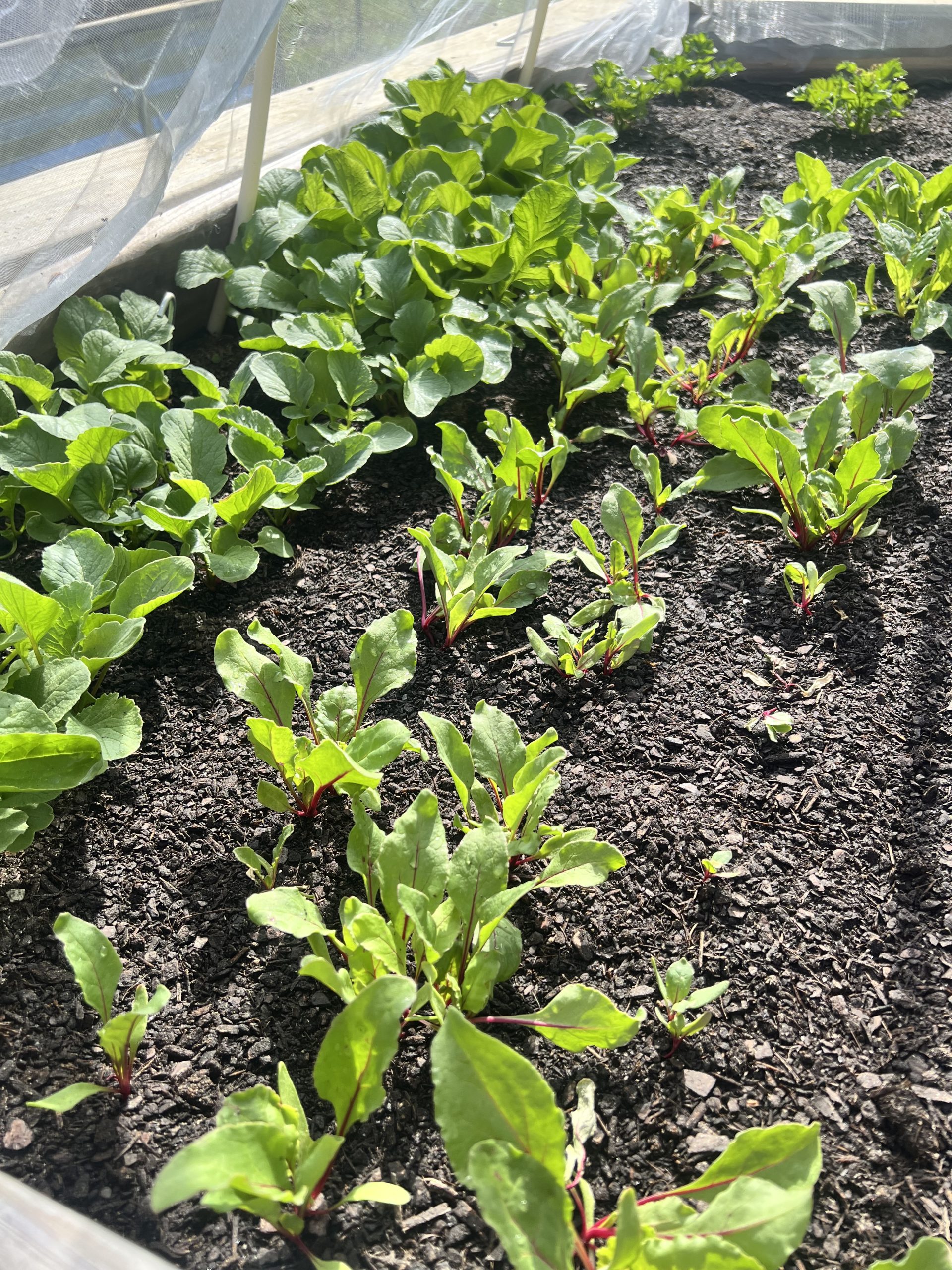
Here’s what’s in my beds this fall: spinach, Swiss chard, arugula, Buttercrunch lettuce, red leaf lettuce and Parris Island Cos romaine. Planting dates below come from Clemson’s chart (more on which column to use in a minute).
- Spinach: Clemson’s fall window is Aug 15 to Oct 15 on the Coastal Plain and Aug 1 to Sept 30 in the Piedmont. Clemson says it can take temperatures down to about 20°F.
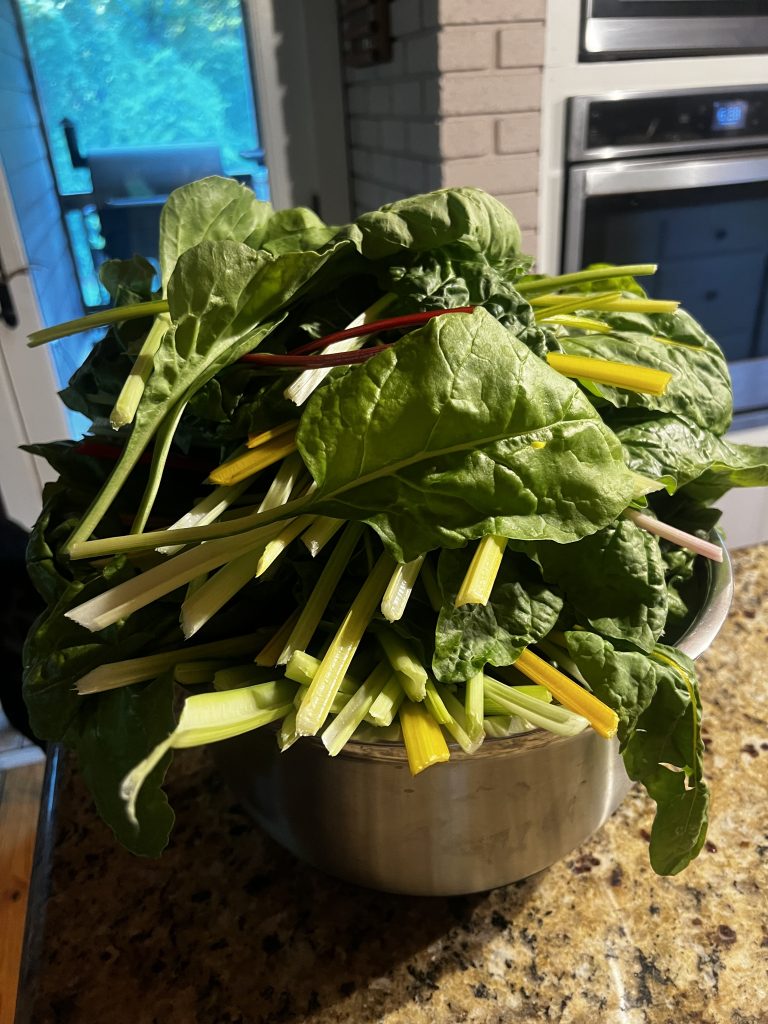
- Swiss chard: the showoff. I grow both rainbow chard and standard green chard. More on chard in its own post.
- Arugula: fast, peppery, and ready to cut young.
- Lettuce (Buttercrunch and red leaf): Clemson lists Sept 5 to Nov 1 on the Coastal Plain. It doesn’t recommend a fall lettuce planting in the Piedmont, but a row cover can help you sneak one in. Sow a little every couple of weeks.
- Parris Island Cos: the romaine in my beds this fall. It’s an heirloom named for Parris Island right here in South Carolina, and it holds up to Southern heat better than most lettuce, so it’s slower to bolt. It grows tall, upright heads with crisp leaves.
Want more? Collards and kale are good general suggestions for a Southern fall bed. Clemson’s window for both runs Aug 1 to Oct 30 on the Coastal Plain and Aug 1 to Sept 30 in the Piedmont.
Which column you go by depends on where you live. Clemson’s chart splits the state into the Piedmont (Upstate and Midlands counties such as Greenville, Spartanburg, York, Fairfield and Kershaw) and the Coastal Plain (the lower state, including Lexington, Charleston, Horry and Richland). My homestead is in Blythewood, in Richland County. Clemson’s list puts Richland in the Coastal Plain, but Blythewood sits up in the northern part of the county near the fall line, right next to Piedmont counties. So I play it safe and plant between the Piedmont and Coastal Plain windows, leaning toward the earlier Piedmont dates. Our typical first frost here in Blythewood falls somewhere between October 23 and November 10.
Real talk: it’s mid-October as I write this, and first frost could be as little as a week or two away. Most of those seed windows are closed. Even the Coastal Plain spinach window ended Oct 15, and the Piedmont dates closed back in September. If you’re late, buy transplants, stick with fast greens like lettuce and arugula, and get yourself some row cover. Nobody’s grading you.
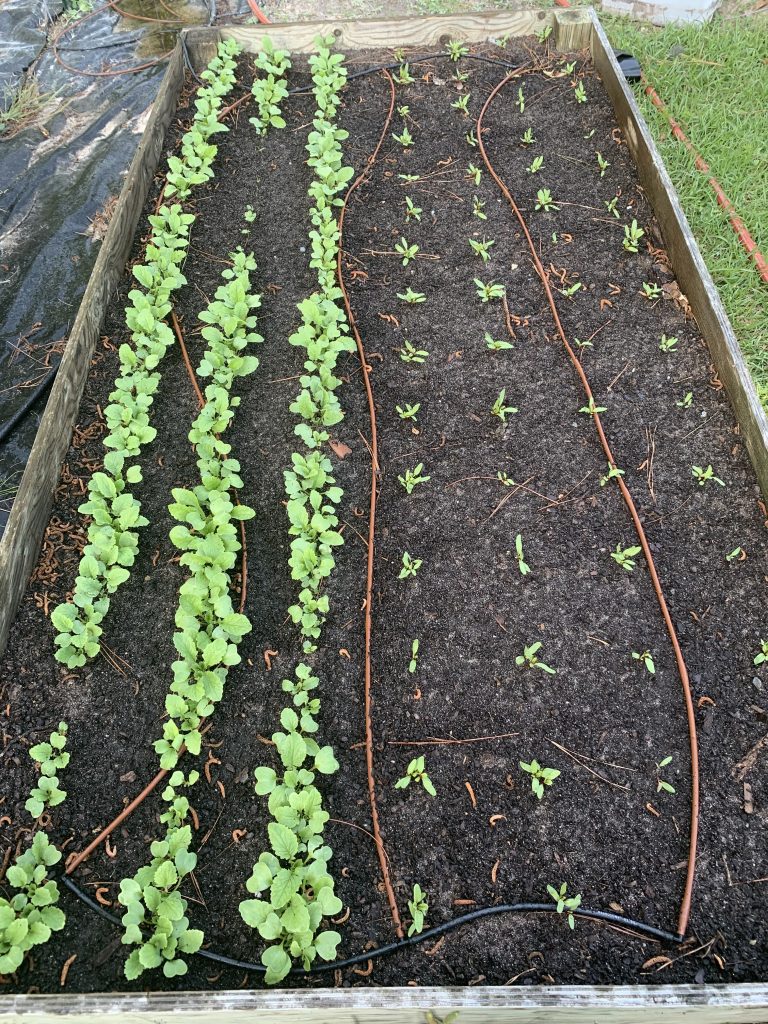
A Look Back at a Past Season
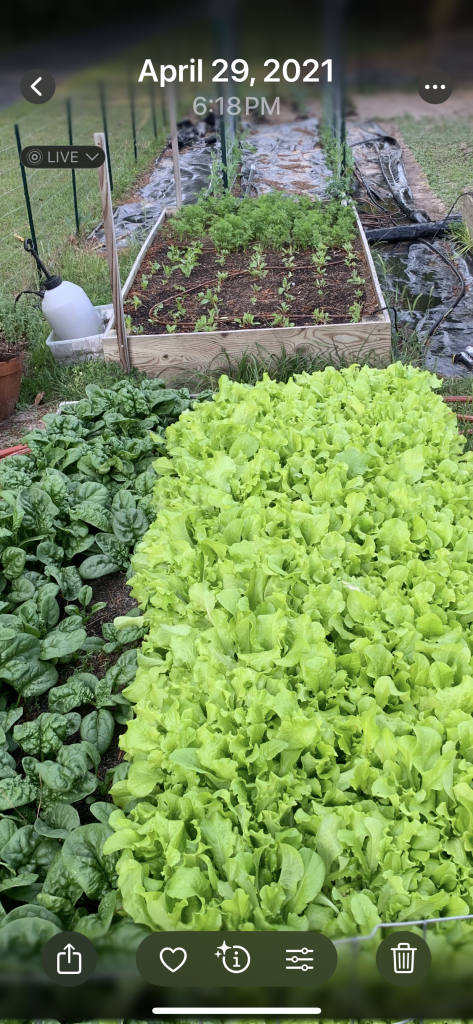
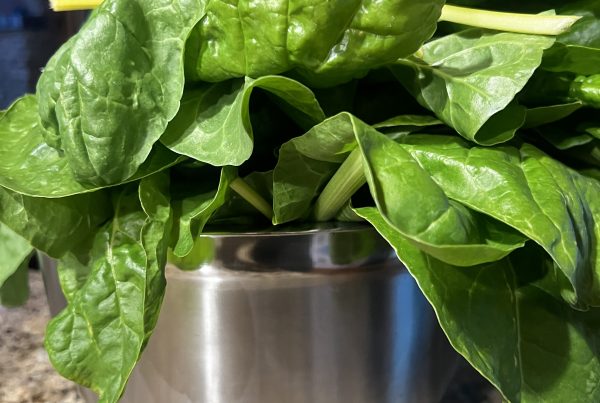
That shot is from a past season. I’m showing it because it proves a point: leafy greens planted thick and watered on a drip line will fill a bed fast.
Pap Steve’s Field Notes
- Soil test first. Clemson recommends a soil pH of about 6.0 to 6.5 for greens. Your county Extension office can test your soil cheap. Guessing is for game shows.
- Six hours of sun. Leafy crops can handle a little shade, but they still want sun. As fall goes on, the sun sits lower, so watch where the trees cast their shadows.
- Mulch. It holds moisture, cuts weeds, and keeps grit off your leaves, so washing goes faster.
- Cover up. A lightweight row cover on hoops protects to about 28°F. I wrote up my whole hoop setup in its own post.
- Raised bed perk: metal beds drain fast and warm up fast. That’s great in a soggy fall, but check moisture more often during a dry spell. I water mine with drip lines plus a rotating sprinkler mounted on a T-post.
From Bed to Jar
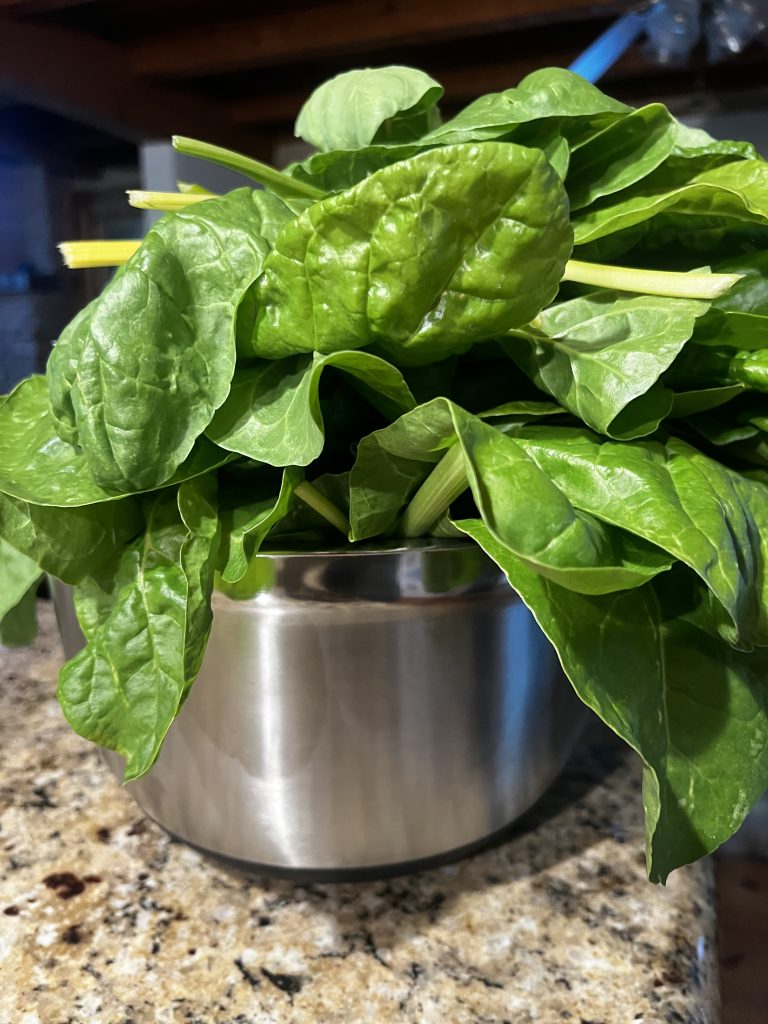
Part of why I garden is because of where I come from. I spent my summers as a kid working the family dairy farm in Windham, up in the Catskills. You learn fast that food doesn’t come from a store; it comes from somebody’s sore back. My mother taught me to can, and her mother taught her. Greens are low-acid, so if you preserve them, you pressure can them with a tested recipe, period. My canning posts cover that. Mimi and I would rather eat most of ours fresh, though: sautéed, in soups, or folded into whatever’s on the stove.
Basic Gear That Helps
- Lightweight row cover fabric and some hoops (PVC or wire)
- Clips or sandbags to keep the cover from blowing off
- A soil thermometer and a cheap min/max thermometer
- A good pair of harvest snips
FAQ
When should I plant a fall vegetable garden in South Carolina?
Most fall greens go in from August through September. Clemson’s Coastal Plain chart runs lettuce to Nov 1 and collards to Oct 30, but in Blythewood, with first frost typically Oct 23 to Nov 10, I aim earlier. Check Clemson HGIC’s planting chart for your region.
Is it too late to plant in October?
It’s late, but not hopeless. On the Coastal Plain, Clemson lists collards and kale through Oct 30 and lettuce through Nov 1; the spinach and mustard windows closed Oct 15. In the Piedmont, and up near the fall line where I am, use transplants and row cover, because frost can show up as early as late October.
Are raised beds good for fall gardens?
Yes. Clemson points out that raised beds help with poor drainage and poor soil. Beds about 3 to 4 feet wide let you reach the middle without stepping in.
Which greens handle frost best?
Of what I grow, spinach is the toughest; collards and kale are tough too. Lettuce is the most tender, so cover it on cold nights.
Now get out there and get something green in the ground before the window slams shut. What’s in your fall beds? Drop it in the comments.
God Bless Y’all,
Pap Steve
papstevereviews.com


 English