I Walked It So You Don’t Have to Wonder.
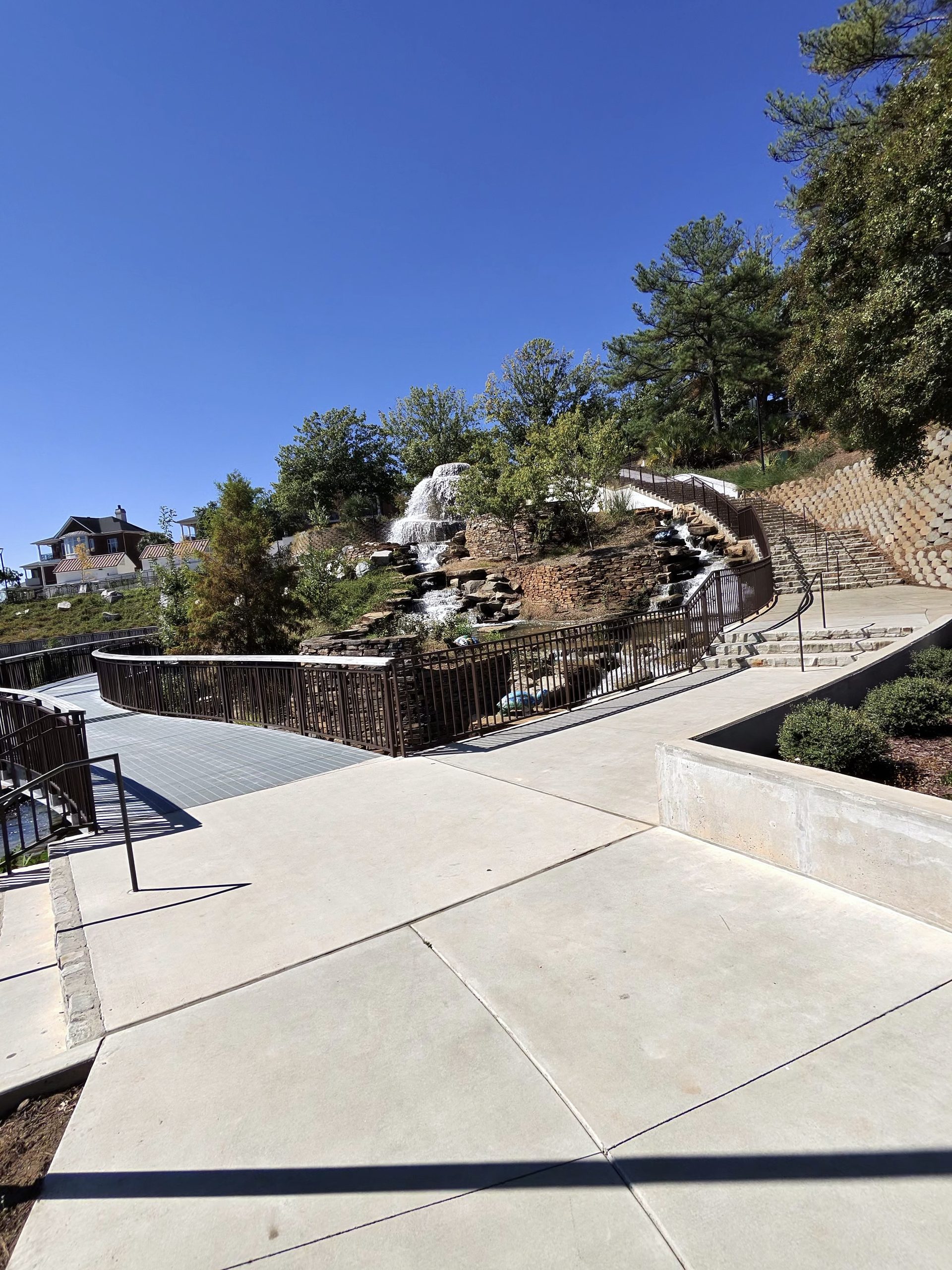
I shot a POV walk through Finlay Park the other day and posted it on TikTok. If you grew up around Columbia, you already know why that mattered. For a long stretch this place was the downtown park everybody remembered and almost nobody used. The spiral fountain was dry. The paths felt tired. You drove past Laurel Street and thought, “Yeah, that used to be something.”
It is something again.
Eighteen acres, give or take, sitting in a bowl between Assembly and Gadsden, Taylor and Laurel. The waterfall is back on. Kids are on the splash pad when the season allows. There’s a stage, pickleball, a real playground, and a bronze mayor still sitting by the pond like he’s checking the job. I walked it slow, the way you do when you’re not in a hurry and you want to see what the city actually built.
@papstevereviews Come take a walk with me through Finlay Park in Columbia, SC! #columbiasc ♬ original sound – PapSteve’s POV
This hill has been a meeting place longer than Columbia has been a city
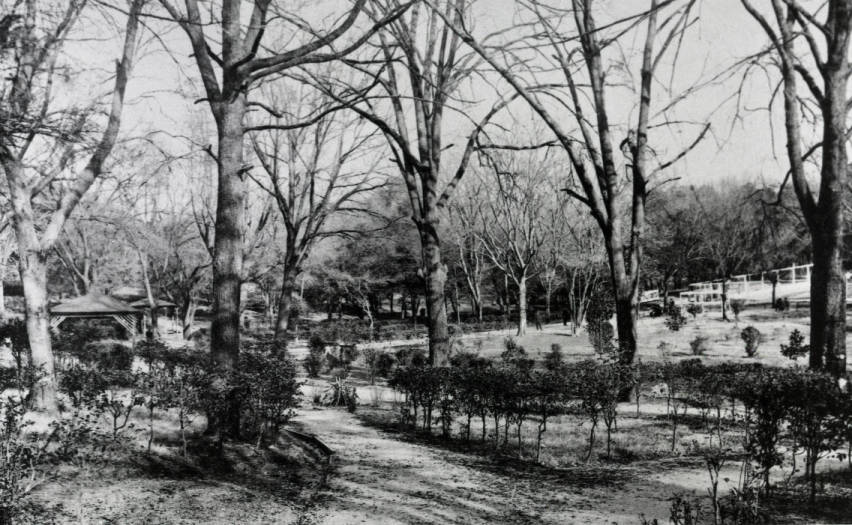
Before anybody drew a street grid, this ridge and valley had a spring. The Congaree and the people who traded through here used it. Fresh water, high ground, a path that already existed. Columbia got named the capital in 1786, and the lots on this slope were a problem from day one. Too wet. Too steep. They bounced back to the city.
In 1819, Col. Abram Blanding put a waterworks on that spring. Steam pump, about 300 gallons a minute of clear water, plus a public bath with hot and cold. He sold the works to the city in 1838. By the 1840s the hillside was still mostly red clay and an eyesore, so the aldermen started planting trees and cutting paths. In 1848 a man named H. Winters put the first tree in the ground as keeper of the park at the springs.
That’s the seed of the park. Not a master plan. A spring, a pump, and somebody willing to plant a tree on a bad hill.
Sidney Park, then a railroad yard, then a hole in the map
Councilman Algernon Sidney Johnston pushed to turn the eyesore into a real park. He died suddenly in 1852, and the city named it Sidney Park for him. Summer band concerts twice a week. Fourth of July fireworks. For a while it worked.
The Civil War didn’t shut it down. A foundry above the park made Confederate arms. A blacksmith shop sat up toward Assembly. A little cotton mill down in the creek spun yarn for socks. They still held concerts. In August 1865, with the war over, a U.S. Army band played for a worn-out crowd.
After the war it stayed a neighborhood anchor. In 1873, Senator T. J. Robertson turned loose a batch of English sparrows there to eat bugs. By 1893 the city had fenced it, replanted it, and added a small zoo: rabbits, tame deer, squirrels, guinea pigs, then a young alligator, plus two goldfish ponds. Not Riverbanks. A city park doing city-park things.
Then the railroad won.
In 1899, under pressure from the Seaboard Air Line, the city leased the park for a terminal. Trees came out. The ground got leveled. The animals went to Hyatt Park in Eau Claire, including a bald eagle and a pair of monkeys who did not ask for a career change. A reporter in 1901 said Sidney Park had gone “from an amphitheater of wild luxuriance to a railroad terminal.”
The terminal didn’t last. Ice plants and a lumber company moved in. Locals started calling it Seaboard Park. During World War II the Laurel Street USO sat on the hill above it and served white soldiers out of Fort Jackson. A Pine Street USO served Black soldiers. By 1958 the Columbia Record was calling the site a crater-like depression that no longer paid the city anything. In 1965 a post office went in on the Assembly Street side. A landslide during that job killed seven workers. The post office opened in 1966. An editorial that year suggested using the rest of the hole for construction storage. Nobody was talking about a park.
Kirkman Finlay wanted the hill back
Kirkman Finlay Jr. landed on city council in 1974 and started talking about downtown like it still had a future. Riverfront. Greenways. And this crater. He became mayor in 1978 and in 1981 laid out the Seaboard Park Plan: move the tracks, clean up a 50-block stretch from Arsenal Hill toward the Congaree, and put a park back in the middle of what became the Congaree Vista. He left office in 1986. The work kept going.
Landscape architect Robert Marvin designed the new Sidney Park. Construction ran 1987 to 1990. It cost $8.3 million, ran into overruns and collapsing walks, and opened with a 27-foot spiral fountain built by Robert J. Ljungdahl of Amenities Ltd. up in Lake Lure. Amphitheater, playgrounds, an island, swings, restrooms that worked. On December 6, 1990, the fountain was lit. For a lot of us, that glow is the picture we still carry.
Finlay died of brain cancer on June 27, 1993. He was 56. The city announced it would rename the park for him, and in April 1994 Sidney Park officially became Finlay Park. His son, Kirkman Finlay III, said his dad would have been thrilled. The park had been the dream.
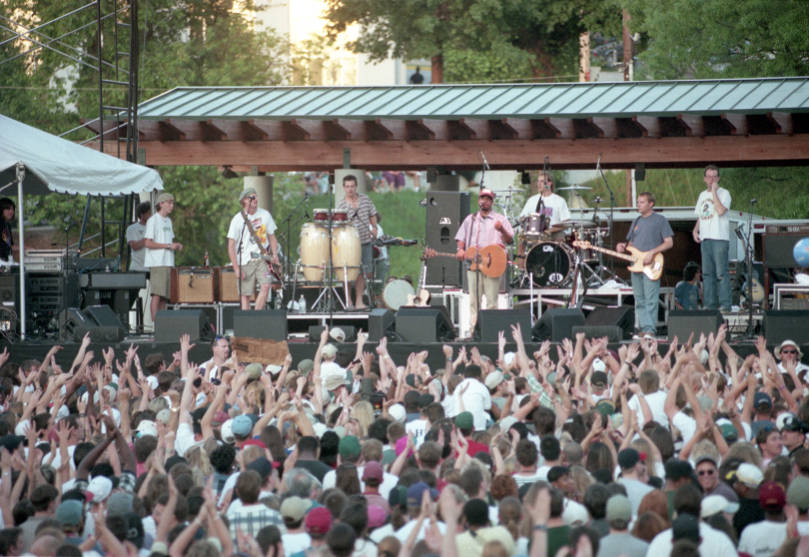
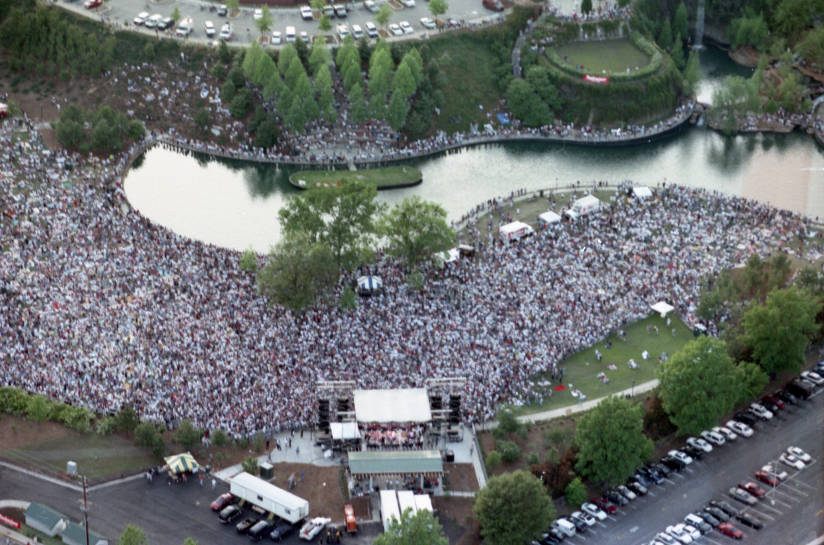
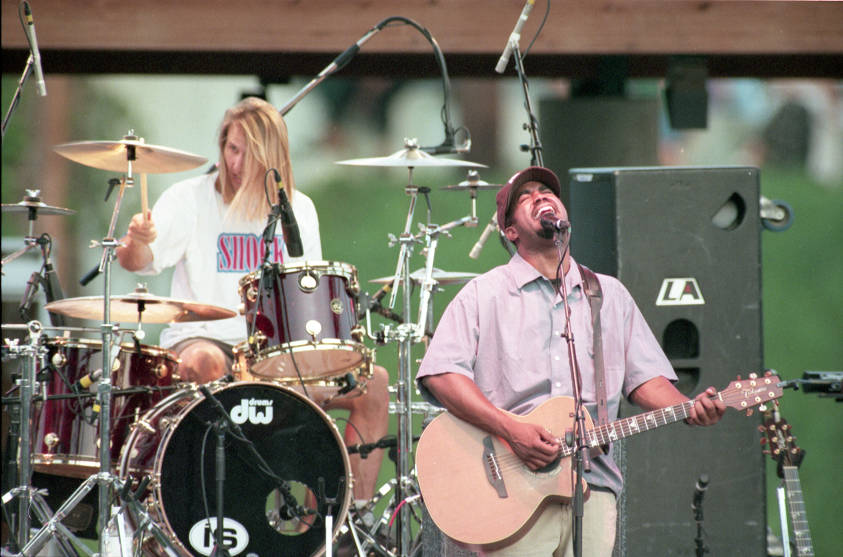
It earned the name for a while. Concerts, festivals, families on the lawn. Hootie and the Blowfish played there in the spring of 1996, which is about as Columbia as a sentence gets.
The dry years
The waterfall that made the place famous started failing and quit flowing in 2015. Once the water stopped, the crowds thinned. A park built around a fountain without the fountain is just a bowl with benches. By 2019 the city was drawing up an $18 million fix. COVID paused it. Prices jumped. The number climbed.
Ground broke on September 14, 2023. Mashburn Construction. About $24 million on the bid, a little over $25 million by the time they cut the ribbon. Mayor Daniel Rickenmann had campaigned on bringing it back. Former Mayor Steve Benjamin’s administration had lined up a lot of the money. Patton Adams had carried Finlay’s build across the finish line the first time. Bob Coble had the park during the years it actually got used. This one took all of them, plus a construction crew and two years of dust.
November 15, 2025
Ribbon cutting at 10 a.m. on the oval green. Live music the rest of the day. The waterfall came back on for the first time since 2014. That’s the whole story in one sentence.
What you get now:
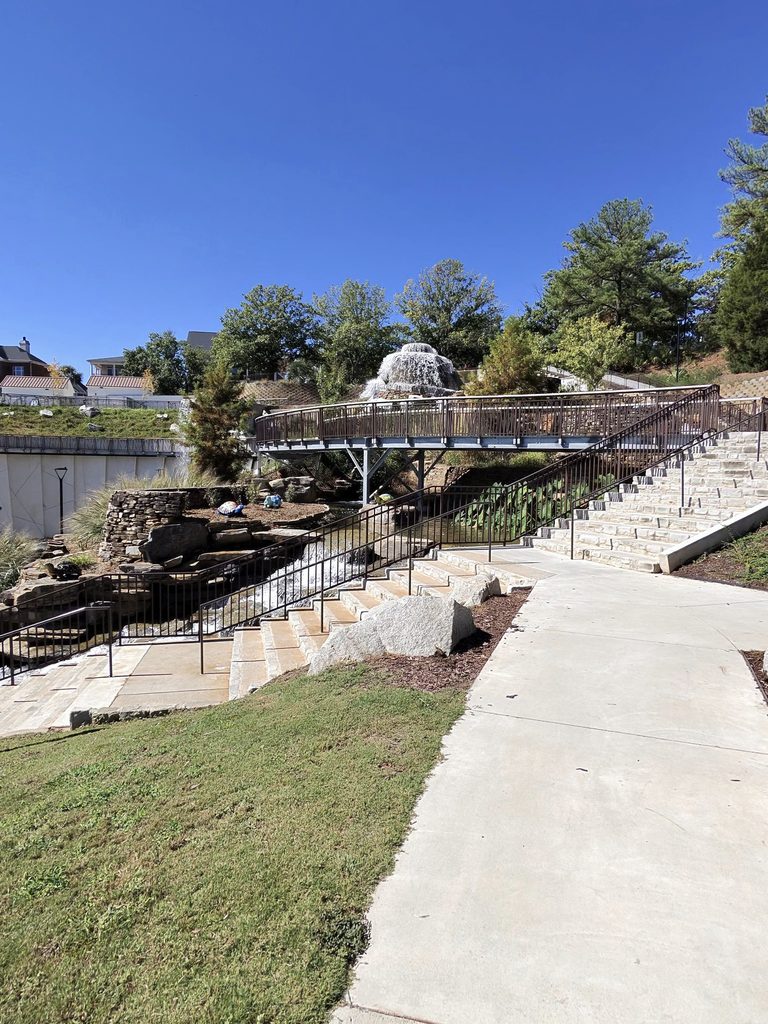
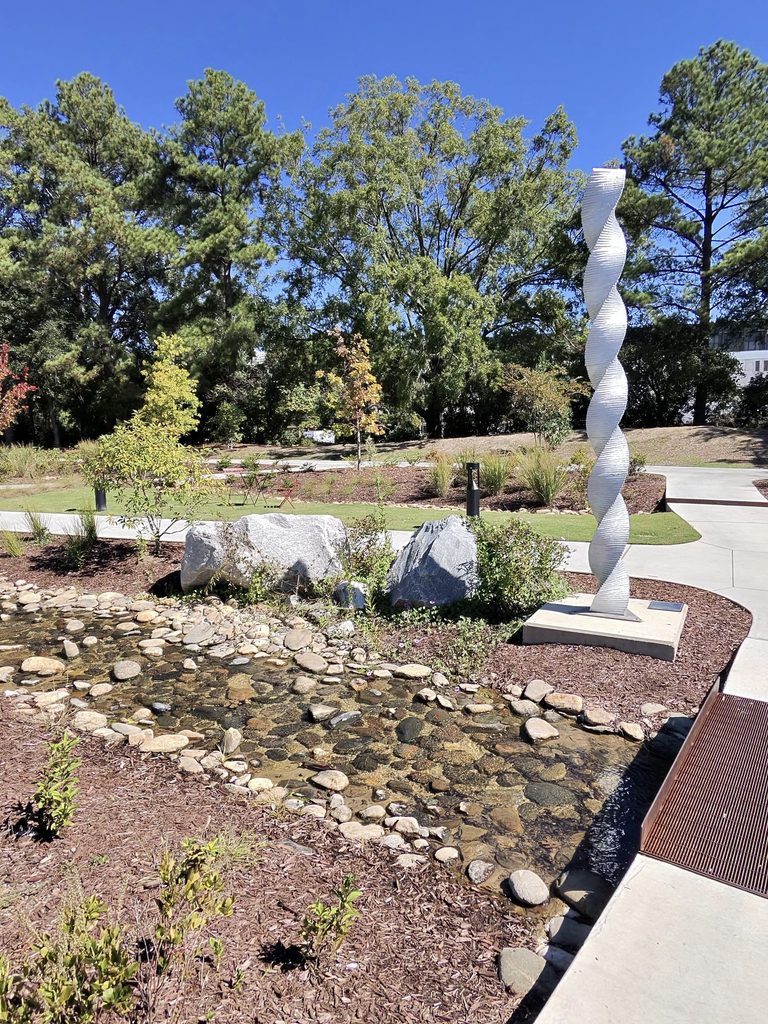
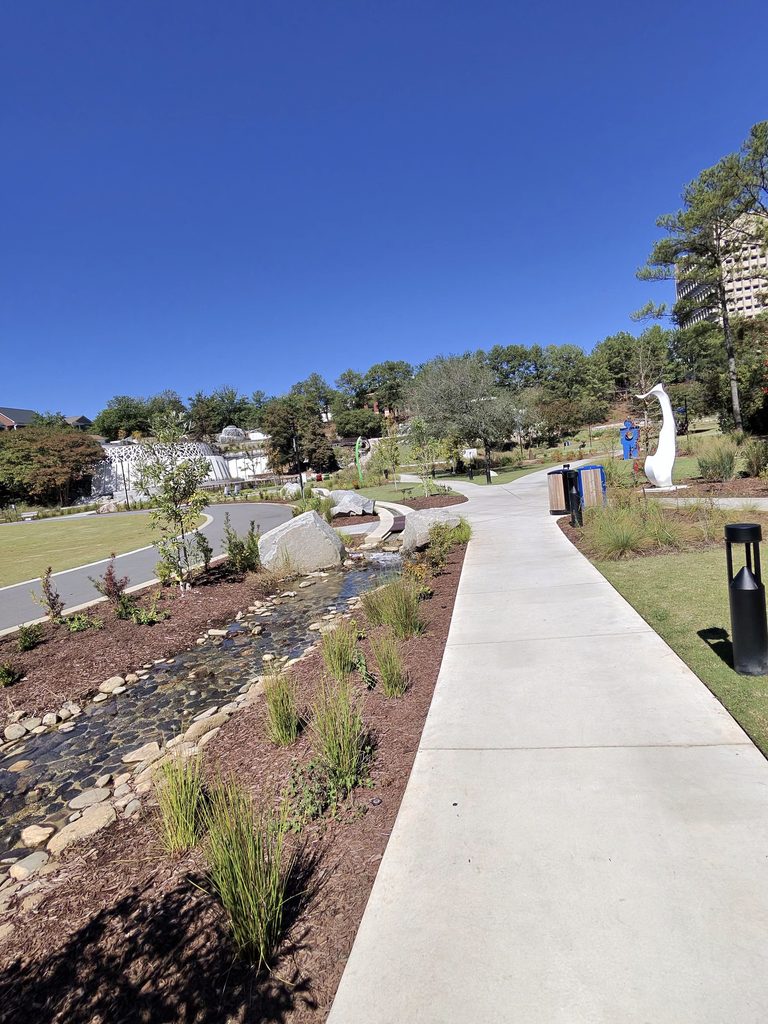
- The spiral fountain and cascade, running into a pond and a stream
- A performance stage and event lawn
- Cola Summit playground and a splash pad (35 jets, in season roughly late May through September, 9 a.m. to 6 p.m.)
- Four pickleball courts you can reserve, plus a fitness court
- The Landing for snacks, drinks, and rentals (11 a.m. to 7 p.m.)
- The Grotto under the falls, and The Lantern, an overlook built to read like a Carolina wren’s nest
- Ten painted turtle sculptures in the falls, done by local artists
- A rotating sculpture garden
- Kirkman Finlay’s statue restored by Maria Kirby-Smith, glasses, blueprints, model of the city grid, back on the bench by the water
Park hours are 6 a.m. to 9 p.m. daily. Dogs on a leash, and you pick up after them. No smoking. No alcohol unless the city permitted the event. No skateboards inside the park. Rangers and Columbia police rotate through, cameras are up, and there are call boxes. 930 Laurel Street.
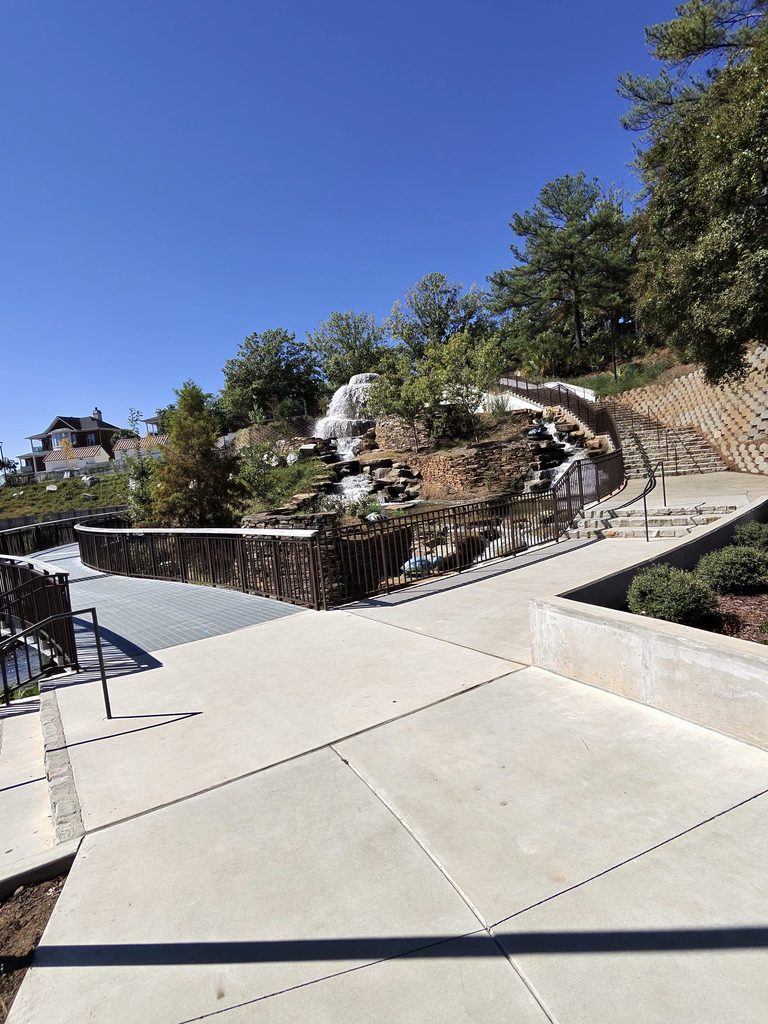
What it felt like on the ground
I’m not going to sell you a postcard. Downtown parks live or die on whether regular people use them on a Tuesday. The bones are right. The water is the point, and the water is on. Sightlines are open. You can see across the lawn. The new stuff, the splash pad, the courts, the stage, gives people a reason to stay past the photo.
The history is the part I didn’t expect to feel while I was walking. This hill has been a spring, a waterworks, a bandstand, a Confederate foundry, a tiny zoo, a railroad yard, an ice plant, a USO overlook, a hole in the ground, a lit fountain, a dry fountain, and now a park again. Columbia keeps coming back to the same 18 acres.
If you haven’t been since the reopening, go. Morning is quieter. Late afternoon the light hits the cascade the way it did in those old pictures. Take the kids. Take the dog. Walk it from the top of the falls down to the pond and sit by the mayor for a minute. He waited long enough.
I’ll drop more clips from the walk as I cut them. If you’ve got a Finlay Park memory, the Hootie show, a first date on the lawn, the years it was dark, put it in the comments. That’s the part the plaques don’t cover.
@papstevereviews They turned the fountain and waterfalls back on at Finlay Park in Columbia, SC! #columbiasc ♬ original sound – PapSteve’s POV
If you’re going: 930 Laurel St., Columbia, SC 29201. Open daily, 6 a.m.–9 p.m. Splash pad in season about May 23–September 30. Details and court reservations: finlaypark.columbiasc.gov.
Sources I used so the dates stay honest: City of Columbia Finlay Park history page, Richland Library’s “History of Finlay Park: Columbia’s Meeting Place,” South Carolina Encyclopedia entry on Kirkman Finlay Jr., and the city’s November 15, 2025 reopening release.



 English