For safe home canning, start with a current tested recipe from NCHFP, USDA, or Cooperative Extension, then use the canner that recipe requires. Low-acid foods such as vegetables and meats need a pressure canner. Qualifying acid or properly acidified foods have tested boiling-water (water-bath) processes. A pressure cooker is not the same as a pressure canner, and a sealed lid is not proof the food is safe. This page answers common questions; it is not a recipe or a processing schedule. Always follow the complete tested directions for the food you are canning.
Howdy, I’m Pap Steve. I do the home canning at our homestead near Blythewood, South Carolina, I buy my own gear, and I follow tested NCHFP and Extension methods—I don’t freelance on processing times. These answers explain decisions and common mistakes, with the Extension or NCHFP page to keep open when you need the full directions. This is the Canning library, separate from Gardening. Good food is worth the extra check. This overview cannot assess the safety of an individual batch.
By Pap Steve • Canning reference • Last reviewed November 10, 2026. Sources last checked November 6, 2026. Home-canning fundamentals, not a recipe or processing schedule.
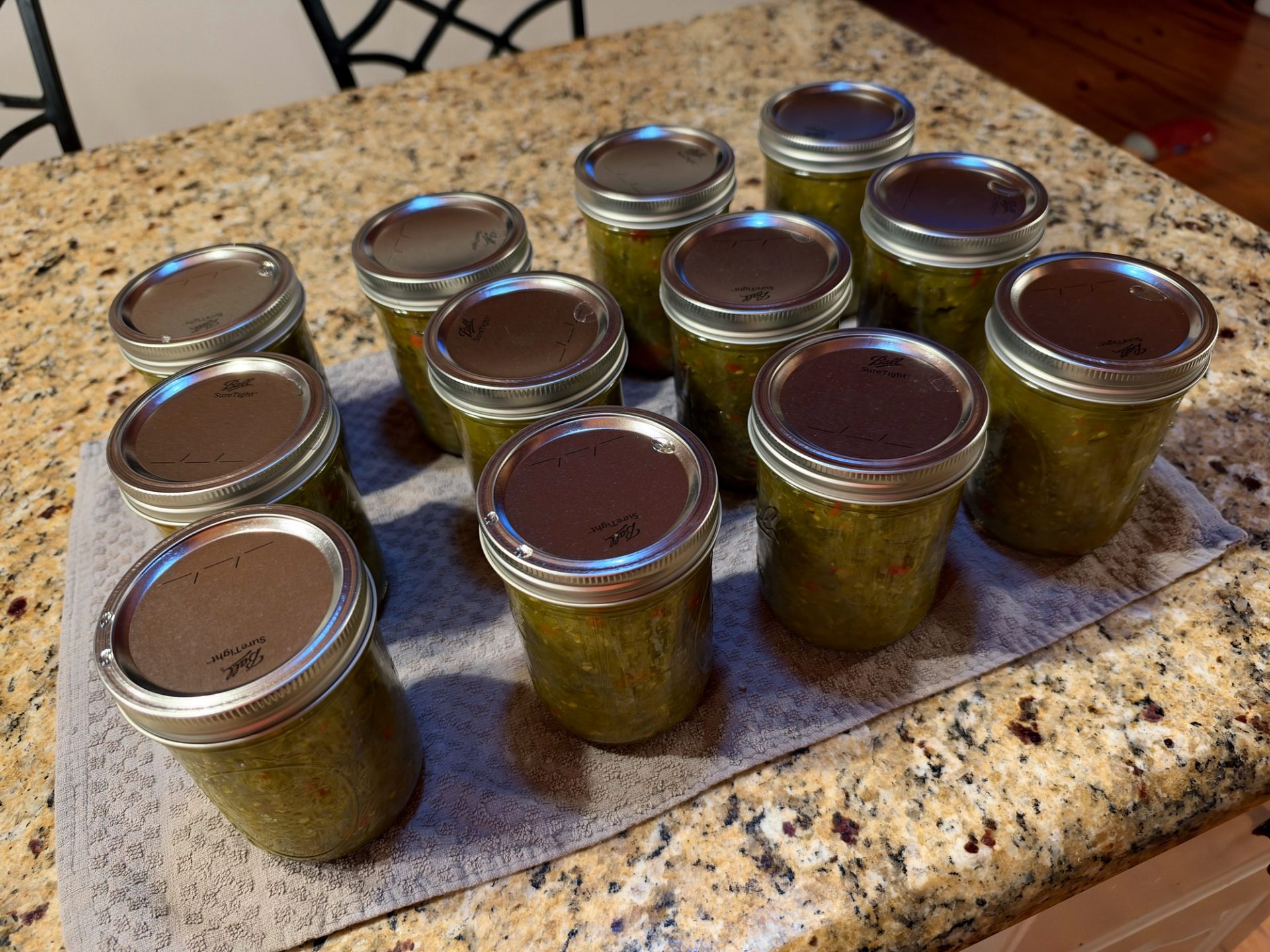
Jump to an answer
- Where should I find a home-canning recipe I can trust?
- Do I need a water-bath canner or a pressure canner?
- Is a pressure cooker the same thing as a pressure canner?
- Can I can my own salsa—or make a tested salsa thicker?
- Do pressure-canned tomatoes still need added acid?
- Can I leave out salt or cut the sugar?
- Why does the recipe’s headspace matter?
- Can I use a larger jar or process longer “just to be safe”?
- Do altitude and canner type change the processing directions?
- What should I do if a jar does not seal?
- Does a sealed lid mean the food is safe, and how should jars be stored?
- What if a jar leaks, bulges, smells wrong or has mold?
- Quick answers
- More from the kitchen
- Sources and scope
Getting started and equipment
Where should I find a home-canning recipe I can trust?
Start with an up-to-date, research-tested recipe from NCHFP, USDA or Cooperative Extension—not a popularity contest in the comments. Clemson lists these as reliable sources and explains that safe preservation depends on the recipe, correct equipment and following the instructions together.
A useful recipe tells you what ingredients to use, how to prepare them, the permitted jar sizes, the packing method and the complete canning process. Read all of it before buying produce. A recipe for tonight’s dinner is not automatically a recipe for shelf-stable jars, even if the ingredients look familiar.
Common mistake: treating “we have always done it this way” as safety evidence. Family recipes can be worth keeping without being suitable for home canning. If you cannot locate a tested canning process for the exact product, ask Extension about other preservation options rather than inventing a process.
Read the authority: Clemson: Finding Reliable Recipes.
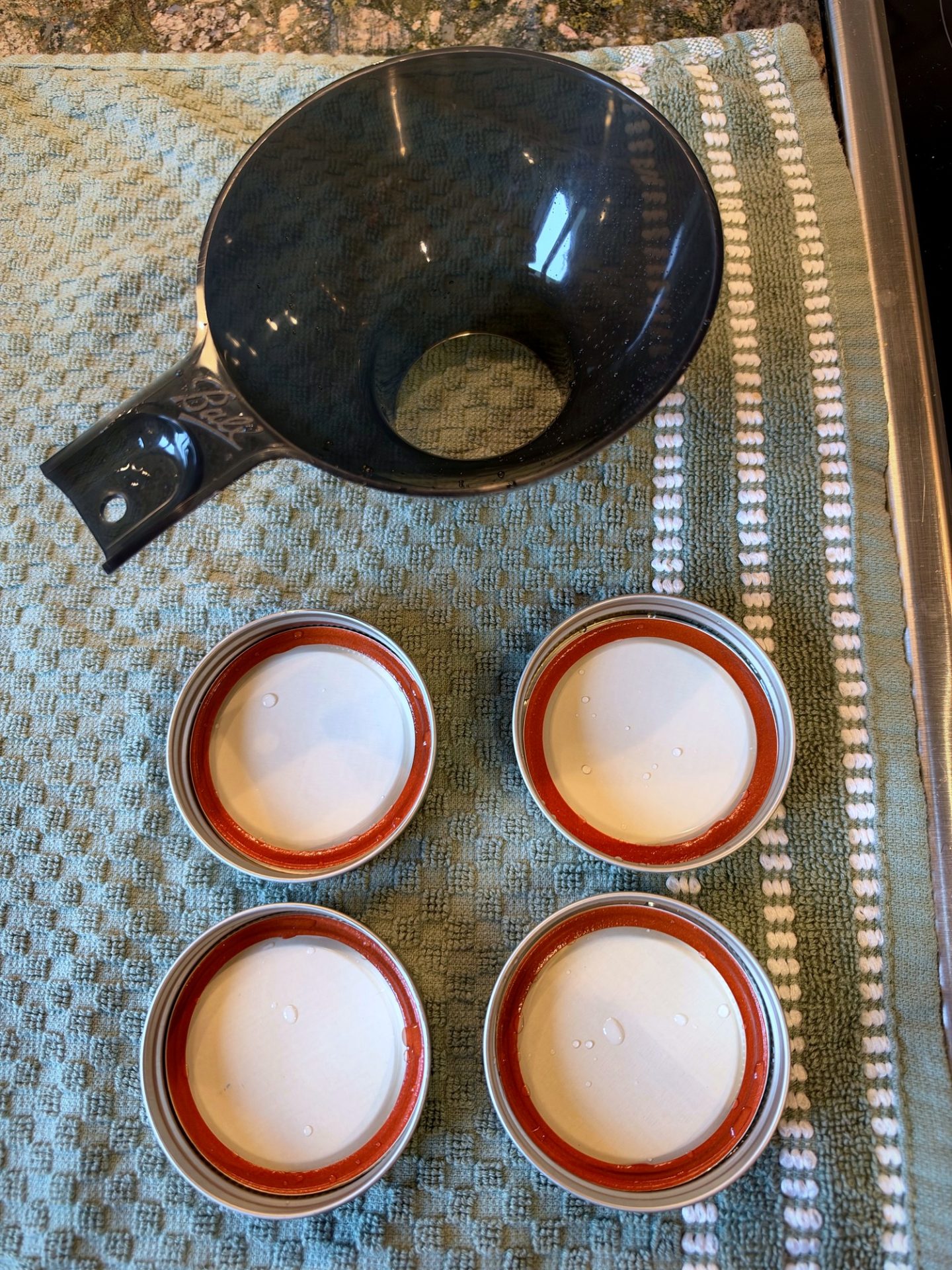
Do I need a water-bath canner or a pressure canner?
The tested recipe determines the method. Low-acid foods need pressure canning; qualifying acid or properly acidified foods have tested boiling-water processes. An atmospheric steam canner is another option only within its research-based restrictions—not a substitute for pressure canning vegetables or meats.
Acidity is only part of the decision. The recipe also controls preparation, ingredient proportions, jar size and how heat reaches the food. A pH reading by itself does not supply a safe processing schedule. Nor does adding a splash of vinegar turn plain vegetables into a tested pickle recipe.
Common mistake: choosing the canner already in the cupboard and working backward. Pick the food and tested recipe first, then confirm the required equipment. For this reference page, the important answer is which method is appropriate; the full operating and processing directions belong beside the actual tested recipe.
Read the authority: Clemson: Canning Foods at Home.
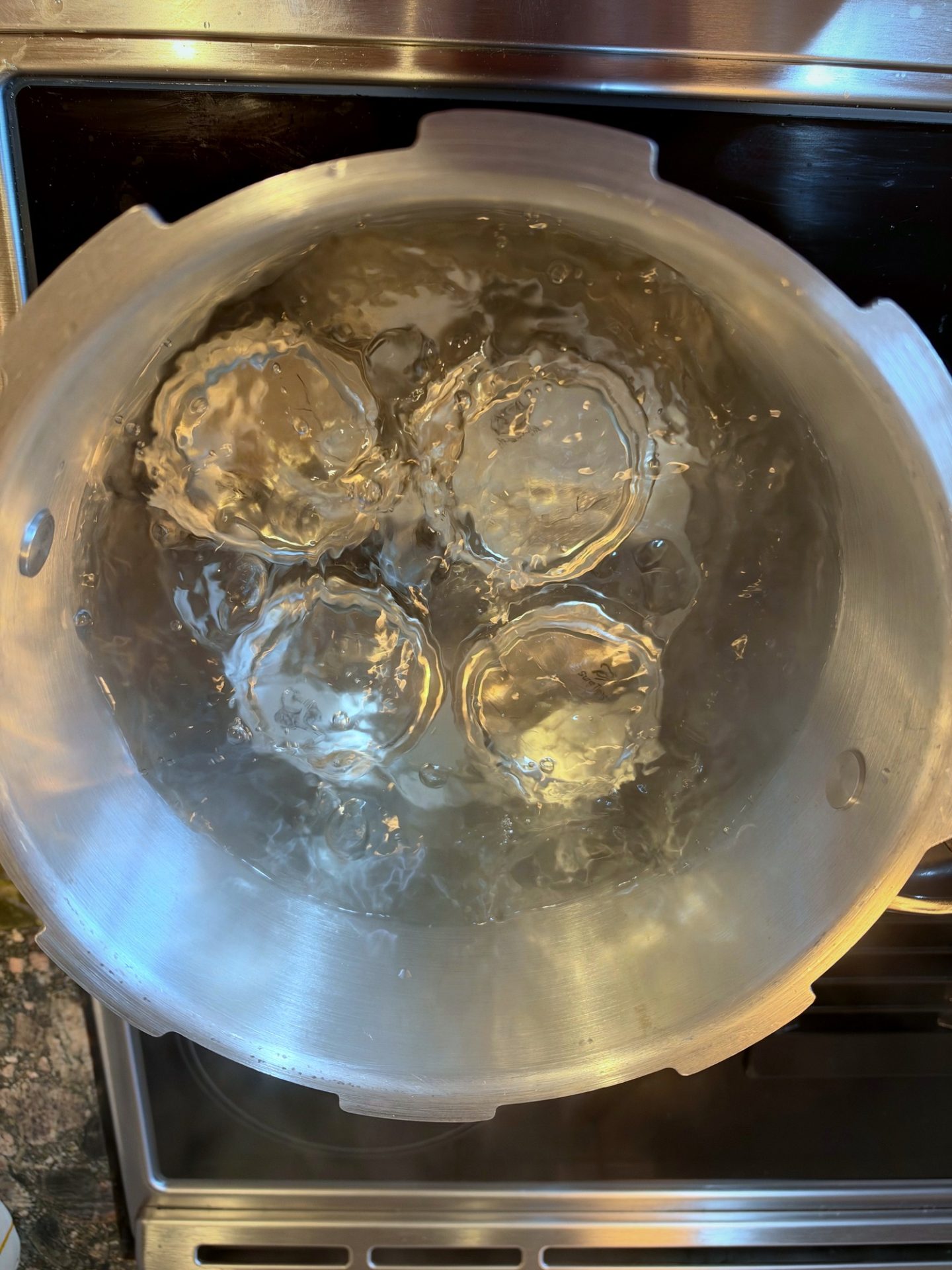
Is a pressure cooker the same thing as a pressure canner?
No. Do not assume a small pressure cooker can replace the pressure canner specified by USDA or Extension. Clemson explains that pressure cookers heat and cool differently, so the tested canning process may not provide the required treatment in that equipment.
Check the equipment’s identity and instructions, not just the word “pressure” on the box. A suitable canner needs the correct rack, venting and safety components. Its lid, vents and other parts must be in proper condition. Clemson also calls for annual accuracy testing of dial gauges; local Extension can help arrange that service.
Common mistake: assuming a canning button or a familiar cooking pressure proves that a cooker can safely process jars. Food preparation and shelf-stable preservation are different jobs. Match the canner to research-based directions and follow its manufacturer’s operating instructions; do not improvise a conversion.
Read the authority: Clemson: Choose the Right Canner.

Tested recipes and ingredients
Can I can my own salsa—or make a tested salsa thicker?
Use a tested salsa recipe and its permitted changes; do not thicken or redesign it and compensate with a longer processing time. Salsa combines acid and low-acid ingredients. Clemson says the process must be scientifically determined for the particular recipe.
Changing the proportions or thickness changes the product being processed. A thicker mixture can heat differently, while extra vegetables change the ingredient balance. A longer time chosen at home is not a validated correction. This includes a recipe that tastes tangy: flavor is not a safety test.
Common mistake: keeping the published processing time after adding more peppers or onions. Choose a tested recipe that already suits the result you want. Make only changes that its authoritative directions expressly allow. Keep a favorite fresh salsa as a fresh-food recipe rather than relabeling it as a canning recipe.
Read the authority: Clemson: Canning Questions.
Do pressure-canned tomatoes still need added acid?
Yes, follow the acidification step in NCHFP’s directions for whole, crushed or juiced tomatoes, including its pressure-processing options. Pressure canning is not permission to leave out a required ingredient.
NCHFP publishes a specific acidification table for the jar sizes and acid options it supports. Open that table alongside the complete tomato procedure you are using. This overview deliberately does not copy a spoonful from the table without the rest of the process; acidification and processing work together.
Common mistake: deciding that a particular tomato variety tastes acidic enough, or substituting an acid because the names sound similar. Use the acid form and amount named in the current directions. NCHFP says sugar may balance the acidic taste, but acid must not be omitted. A tomato-salsa or sauce mixture still needs its own tested recipe, not simply the plain-tomato table.
Read the authority: NCHFP: Tomato Acidification.
Can I leave out salt or cut the sugar?
Sometimes—but not as a blanket rule across canned foods. Clemson explains that salt in plain canned vegetables and fruits is for flavor, and sugar in canned fruit helps flavor, color and shape. Those statements are not permission to redesign pickles, preserves or jam.
The product matters. Sugar can play a different role in a fruit spread than in the liquid around pieces of fruit. Salt may have a different role in a pickle recipe than in plain vegetables. NCHFP’s discussion of sugar substitutes distinguishes ordinary canned fruit from preserves and regular-pectin jams.
Common mistake: applying “sugar is optional in fruit” to every jar containing fruit. Find a tested reduced-sugar or no-added-sugar recipe for the product you actually want, and follow its pectin and processing directions. For a change not explicitly supported in the recipe, get Extension advice before making shelf-stable jars.
Read the authority: Clemson: Canning Questions · NCHFP: Tomato Acidification.
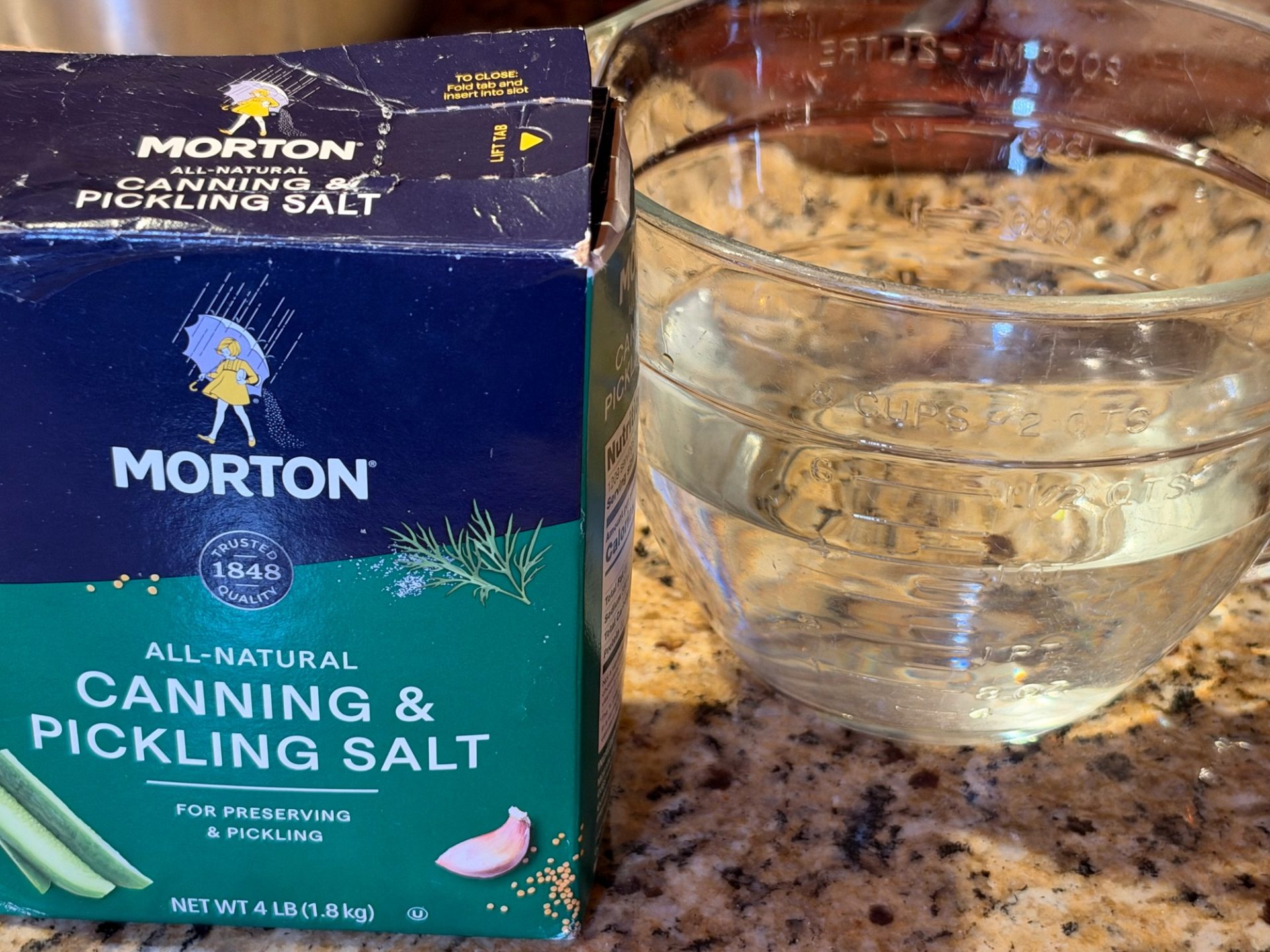
Processing basics
Why does the recipe’s headspace matter?
Headspace is part of the process, not spare room to fill with one more spoonful. Use the amount stated for that food and jar in the tested recipe. There is no single headspace number that fits all canning.
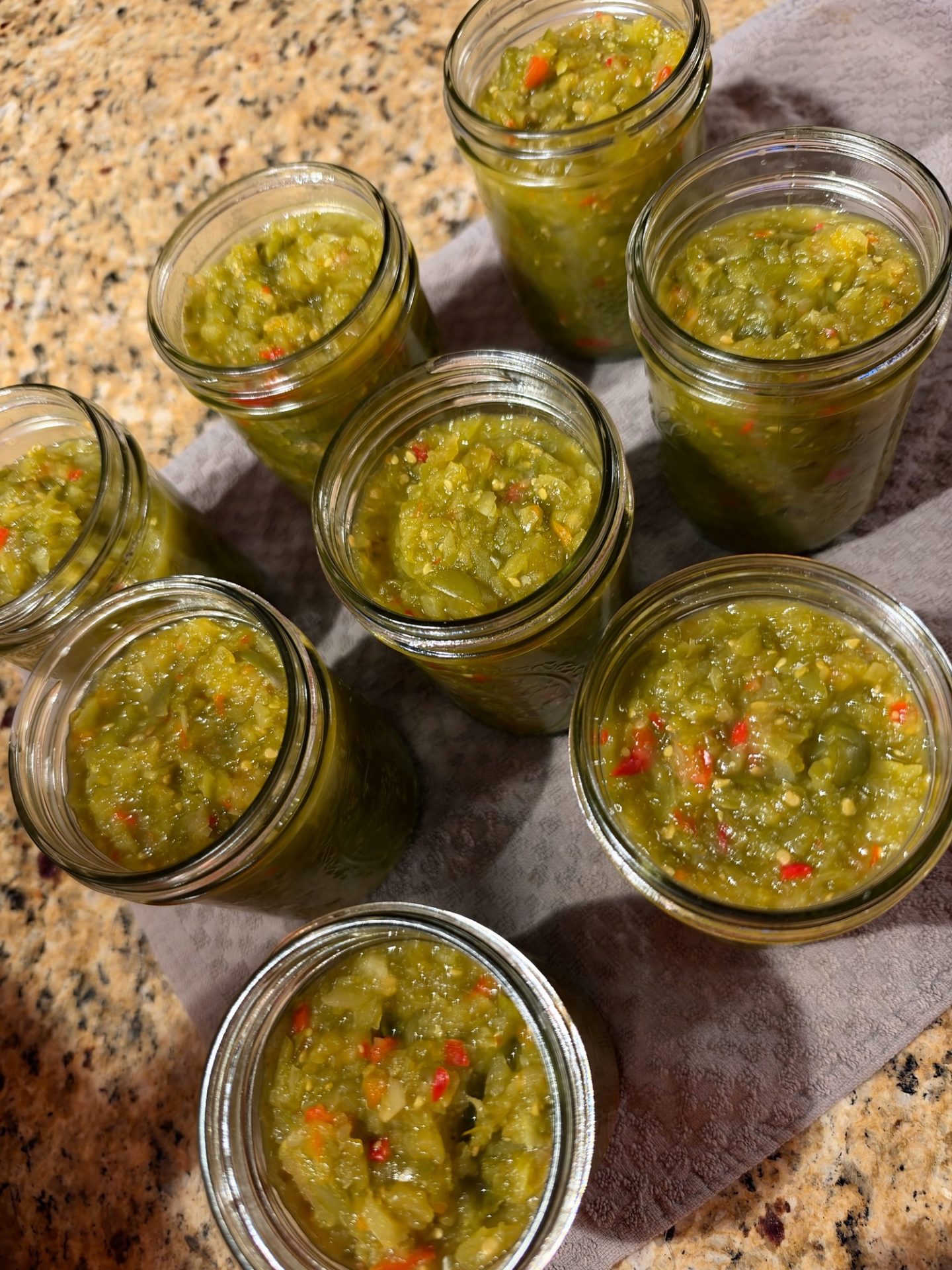
Clemson explains that too little space can allow expanding food to bubble out and leave residue on the sealing surface. Too much can interfere with removing air and forming the vacuum seal; food at the top may also discolor. The jar can look neatly filled and still be filled incorrectly.
Common mistake: copying the headspace from the last batch of jam when canning something entirely different. Check it again when changing recipes. Headspace, packing method, ingredients and processing are a package. A lid that later seals does not prove every part of that package was followed or that the food is safe.
Read the authority: Clemson: Canning Questions.
Can I use a larger jar or process longer “just to be safe”?
Use a jar size and process that the tested recipe actually supports; do not invent an adjustment for a larger jar. Clemson specifically warns that pint or quart recipes cannot be adjusted into half-gallon processes.
Heat must reach the food throughout the jar. Container size and the way food is packed affect that journey. This is why a recipe’s jar-size table matters, rather than simply its final time. A larger jar is not merely two smaller jars sharing a lid.
Common mistake: assuming extra time repairs an untested change. It does not establish a validated process for a different container or altered food. Likewise, a longer water bath does not replace pressure canning where pressure is required. Select a supported recipe and jar size before filling; if a preferred size is missing, ask Extension instead of guessing.
Read the authority: Clemson: Canning Questions.
Do altitude and canner type change the processing directions?
Yes. Read the altitude adjustment and canner-specific directions for the exact recipe. The processing table—not a statewide rule of thumb—determines which time or pressure applies.
Clemson notes that higher-elevation South Carolina locations can need adjustments. Living in South Carolina is therefore not a reason to skip checking elevation. Boiling-water and pressure-canning adjustments are different, and dial-gauge and weighted-gauge tables are not interchangeable.
Common mistake: copying a pressure or time from a friend’s batch without checking the food, pack, jar, gauge type and altitude. Write down the recipe source and the table row you are following before starting. This page is not an equipment operating checklist; use the complete tested procedure and manufacturer’s instructions, including the required venting and natural cooling stages.
Read the authority: Clemson: Canning Foods at Home.
Seals, storage and troubleshooting
What should I do if a jar does not seal?
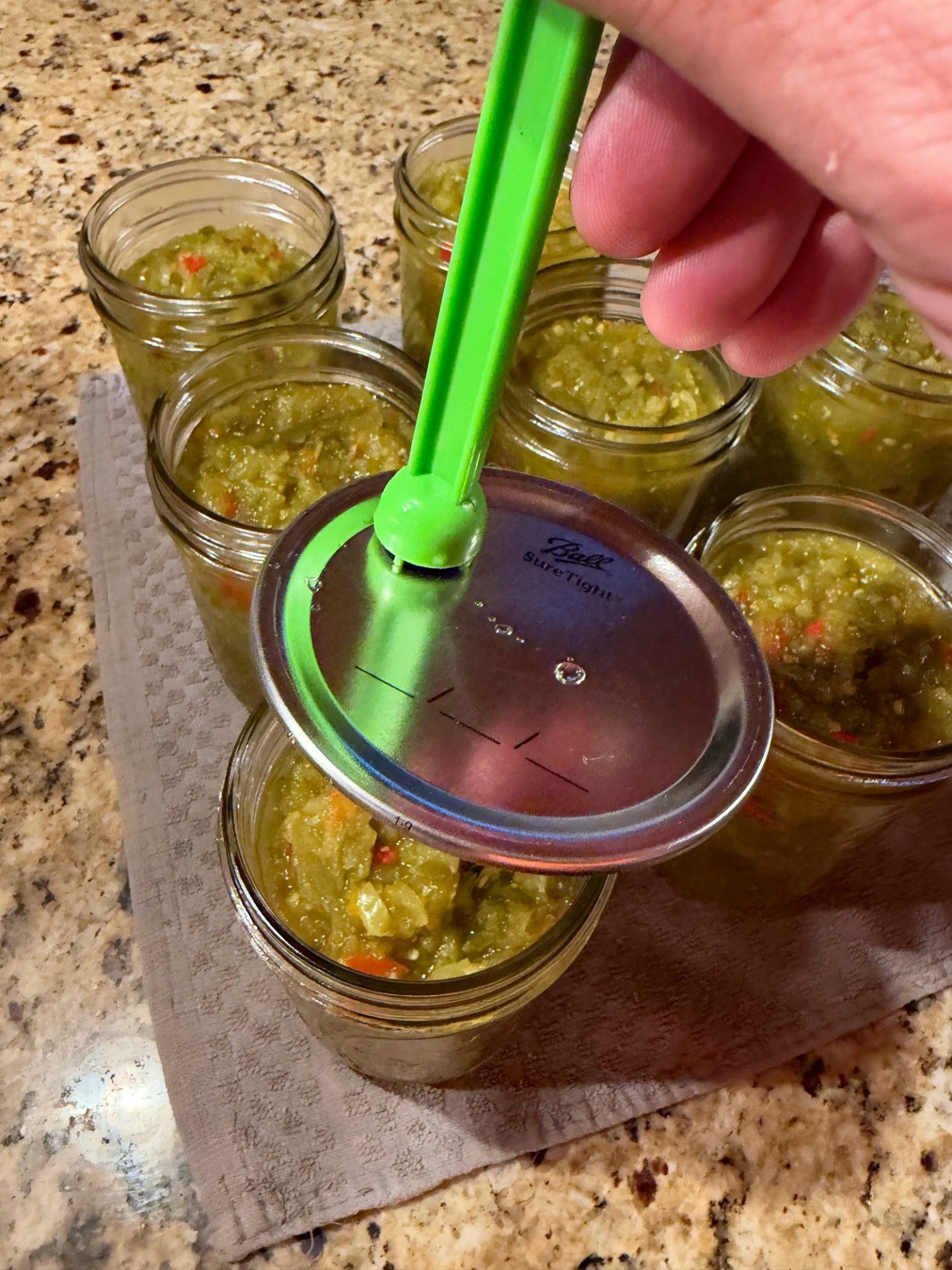
Check the original process and timing before considering any remedy. There is no universal “reprocess it or put it in the fridge” rescue. Current NCHFP guidance requires an up-to-date research-tested recipe on the first attempt and reprocessing within 24 hours; a tested hot-pack process must also exist.
NCHFP does not recommend reprocessing because quality suffers, and its full guidance explains the conditions and alternatives for eligible unsealed jars. Use that current page rather than a shortened checklist. Do not put an unsealed jar on the pantry shelf.
Common mistake: treating an unknown or untested batch as an ordinary lid failure. NCHFP says jars made without a tested recipe may be unsafe whether sealed or unsealed. Refrigeration is not a universal correction for that uncertainty. Follow its authoritative handling guidance or contact Extension; do not taste the food to decide whether it can be saved.
Read the authority: NCHFP: Unsealed Jars.
Does a sealed lid mean the food is safe, and how should jars be stored?
A vacuum seal is necessary for normal pantry storage, but it is not proof of a safe canning process. Unsafe food can be sealed inside a jar. Review the recipe and process as well as the seal.
For properly processed, cooled and sealed jars, NCHFP recommends removing ring bands, cleaning and drying the jars, labeling and dating them, and storing in a clean, cool, dark, dry place. Bands are not needed to maintain a good vacuum seal; leaving them off also makes a broken seal easier to detect.
Common mistake: using a warm garage shelf as a long-term pantry, or tightening a band to hide a questionable lid. Storage conditions affect quality and seals. Keep the recipe and batch date with your records, and inspect jars before use. Best-quality storage guidance does not turn a previously unsafe process into a safe one.
Read the authority: NCHFP: Storage and Spoilage.
What if a jar leaks, bulges, smells wrong or has mold?
Do not taste suspect canned food, and do not scrape away mold and eat what remains. Bulging lids, leaks, spurting liquid, unusual odors and mold can signal spoilage. Absence of these signs does not establish safety: botulinum toxin may be present without an obvious warning.
NCHFP gives different handling instructions for suspect containers depending on whether they remain sealed or are open, unsealed or leaking. Follow the complete disposal and cleanup guidance on its page. This reference does not improvise a disposal, boiling or bleach procedure; a partial version is the wrong place to cut corners.
Common mistake: opening a suspect jar to sniff it closely or taking a small taste to check. Do not use smell or a tiny sample as a safety test. Keep people and pets away from suspect food and follow the linked authoritative handling instructions. For an uncertain processing history, seek Extension advice rather than treating a normal-looking lid as reassurance.
Read the authority: NCHFP: Storage and Spoilage.
Quick answers
Is it safe to can without a pressure canner?
It can be, when you have a current tested boiling-water process for that exact food. Qualifying acid or properly acidified foods have tested water-bath processes. Low-acid foods such as plain vegetables and meats need a pressure canner. A pressure cooker is not a substitute, and a longer water bath does not replace pressure canning where pressure is required. Follow the tested recipe; don’t invent a water-bath process for a low-acid food. For a water-bath example on this site, see my apple butter canning recipe.
What is the difference between water-bath and pressure canning?
The tested recipe determines the method, not the canner already in the cupboard. Water-bath (boiling-water) canning is for foods that have a tested boiling-water process—typically qualifying acid or properly acidified foods. Pressure canning is required for low-acid foods. An atmospheric steam canner is another option only within its research-based restrictions, and it is not a substitute for pressure canning vegetables or meats. Acidity alone, or a splash of vinegar, does not turn plain vegetables into a tested pickle recipe. Pick the food and tested recipe first, then confirm the required equipment.
More from the kitchen
- Apple Butter Canning Recipe — a tested NCHFP water-bath recipe I made in my kitchen.
- Green Tomato Relish, Garden to Jar — a tested relish from the raised beds.
- All American Pressure Canners — my review of an All American pressure canner.
- Gardening Guides — South Carolina raised-bed planting dates, kept as a separate topic.
- Browse the Canning archive — more canning posts.
Sources and scope
This page was last reviewed November 10, 2026. The linked official pages were last checked November 6, 2026. NCHFP’s current unsealed-jar guidance governs the reprocessing answer; older abbreviated Extension advice is not used as a rescue rule. Community questions help identify topics, not establish safety. No processing times, pressures, acid amounts or disposal recipes are supplied here.
 English